

Most Operational Waste Is Not Obvious at First
A lot of small and medium-sized businesses do not realise how much time and money they lose through small inefficiencies every day. It is rarely one dramatic failure. More often, it comes from repeated admin, disconnected systems, slow handovers, duplicated work, and limited visibility over what is really happening.
That kind of waste builds quietly. Staff spend time copying information between tools, chasing updates, checking the same records more than once, or handling tasks that should have been streamlined long ago. The cost is not only financial. It also affects speed, consistency, morale, and the ability of the business to grow properly.
Good automation is not about replacing people or adding unnecessary complexity. It is about removing repeated friction so the business can operate more clearly and more efficiently.
Repetitive Admin Drains Time Faster Than Most Businesses Think
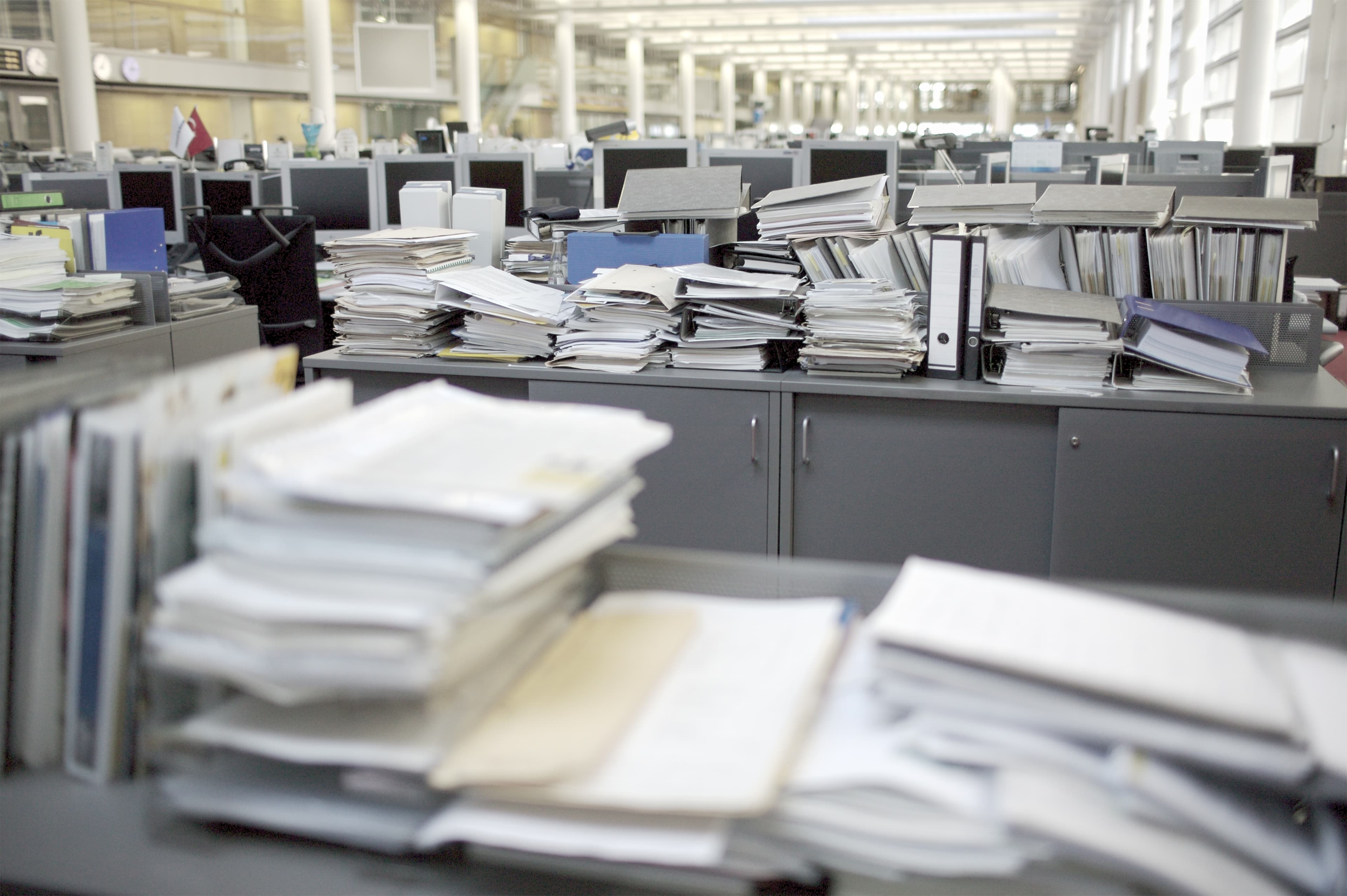
One of the most common sources of waste in SMEs is repetitive admin. That may include manually entering leads into spreadsheets, copying customer information between systems, sending the same updates again and again, or checking the status of tasks in too many places.
Each of those steps may look small on its own. But when the same work is repeated every day, across weeks and months, it becomes a real operational cost. It also increases the chance of mistakes, missed follow-ups, and inconsistent data.
This is where even simple automation can help. If common actions are triggered automatically, information is passed to the right place, and updates happen without constant manual effort, the business gains back time that can be used more productively.
Disconnected Tools Create Friction and Blind Spots
Another common problem is using too many disconnected tools without a clear flow between them. A business might have one system for enquiries, another for customer records, another for reporting, and another for task management, with staff manually trying to keep everything aligned.
That usually creates friction. It slows people down, makes information harder to trust, and leaves managers with poor visibility. When data sits in too many places, it becomes harder to understand what is working, what is slipping, and where the real pressure points are.
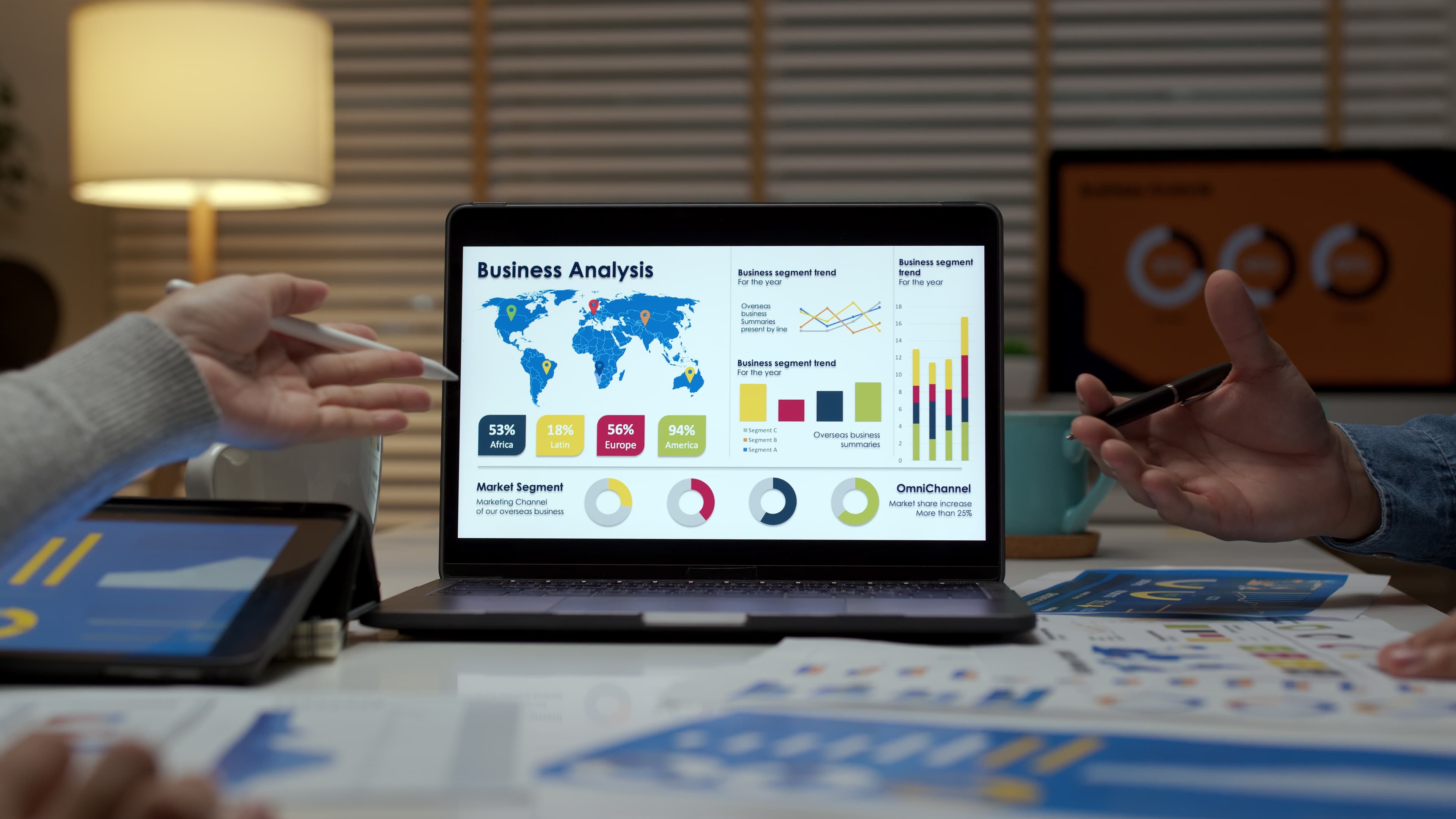
Automation works best when it improves flow between systems and reduces unnecessary handling. The goal is not to create more tools. It is to make the tools already in use work together more effectively.
Better Workflows Mean Better Decisions
Operational waste is not only about time. It also affects decision-making. When updates are delayed, information is inconsistent, or reporting takes too long, business decisions become slower and less confident.
A stronger workflow means the right information reaches the right people at the right time. Teams can follow a clearer process, managers can spot weak points sooner, and fewer things fall between the cracks.

This does not always require a large system. Often, the biggest gains come from improving a few repeated processes that create the most friction. The key is knowing where the waste actually sits.
Practical Automation Should Fit the Business, Not the Other Way Around
One of the biggest mistakes businesses make is trying to force themselves into rigid software or automation that does not match how they actually operate. That often creates new frustration instead of solving the old one.
Practical automation should start with understanding the business properly: - where time is being lost - where staff repeat the same actions too often - where handovers break down - where data is not visible enough - where customers experience delay or inconsistency
The right solution depends on the real weakness. Sometimes it is a workflow fix. Sometimes it is a reporting layer. Sometimes it is a custom process or a better connection between existing tools.
Growth Becomes Easier When Waste Is Reduced
When operational waste goes down, businesses usually feel the difference quickly. Staff spend less time chasing simple tasks. Information becomes clearer. Follow-up improves. Managers gain better visibility. Customers experience smoother service.
That does not mean automation is magic. It means the business is no longer wasting energy on the same friction every day.

For me, good automation is never about hype. It is about practical improvement. If a business can reduce repeated effort, improve visibility, and act on better data, then it creates more room for growth without adding unnecessary cost.
If you want to explore this in a more practical way, you can look at how I approach AI automations, custom software, and digital growth, or get in touch for a more tailored discussion.